
They also sit in a sweet spot many buyers like: practical enough to justify, personal enough to feel special. That mix is why sweatbands, when customised well, can sell quickly and keep selling.
Why do custom sweatbands feel more “buyable” than other merch?
Custom Sweatbands feel like a sensible purchase because they solve a real problem and still count as branded gear. Buyers do not need to “be a merch person” to justify them; they can wear them immediately and get value.
Compared with hoodies or jackets, the decision is lighter. The price is usually lower, sizing is rarely an issue, and the item feels less risky. That reduces friction at checkout and makes impulse buys more likely.
Why is the niche audience actually an advantage?
A niche audience is easier to message to and easier to satisfy. People who want sweatbands usually have a clear reason, such as training, competing, performing, or supporting a group. That intent makes them warmer buyers than general visitors browsing a shop.
It also helps brands avoid competing on the same shelf as generic fashion. When the product is tied to a specific use case, buyers compare based on relevance and identity, not just price.
How do sweatbands create high brand visibility in real life?
They sit on the body where others can see them during movement, especially at events. Wristbands and headbands are visible in photos, videos, gym mirrors, race finish shots, and social clips, so the branding travels without extra effort.
Unlike many giveaways that end up in drawers, sweatbands tend to stay in rotation. If they are comfortable and look good, they become part of someone’s kit, which means repeated impressions for the brand.
Why do they convert so well at events and pop-ups?
They are easy to understand in seconds, which suits busy, distracted environments. A passer-by can see the design, feel the fabric, and decide quickly, without needing much explanation.
They also fit common event budgets. When someone does not want to commit to an expensive item, a sweatband is a simple way to support a cause, rep a team, or take home a memory.
What makes customisation especially powerful for this product?
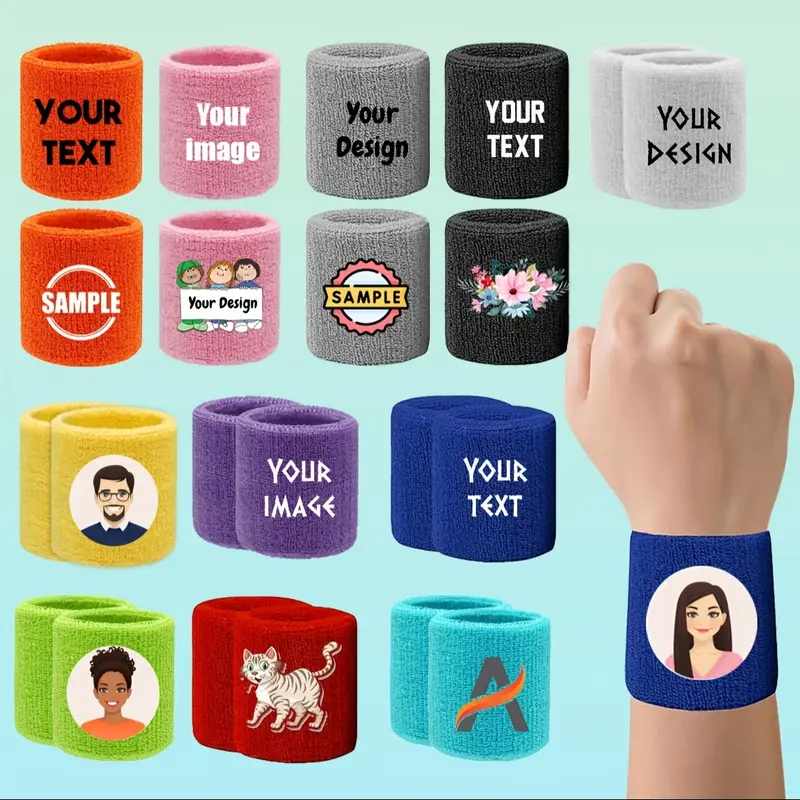
Customisation turns a basic accessory into a marker of belonging. A name, slogan, team colours, or a short phrase can make the item feel like it was made for a specific group, not a generic audience.
Because sweatbands have limited space, the design is forced to be clear. That constraint often improves branding. A short message or bold logo reads well at a distance, which improves recognition and makes the product feel more intentional.
Why do sweatbands work well for community and identity marketing?
They act like a subtle badge. Gyms, running clubs, university societies, esports teams, and dance crews all benefit from items that signal membership without being over the top.
That signal also creates social proof. When multiple people wear the same sweatband, it makes the group feel real and active. That can attract new members, push hesitant buyers, and increase conversion on the spot.
How can sellers position sweatbands to boost conversion rates?
They convert best when positioned as “the easy entry product” in a merch range. Brands can use them as the first purchase that leads to future purchases, rather than treating them as a low-value afterthought.
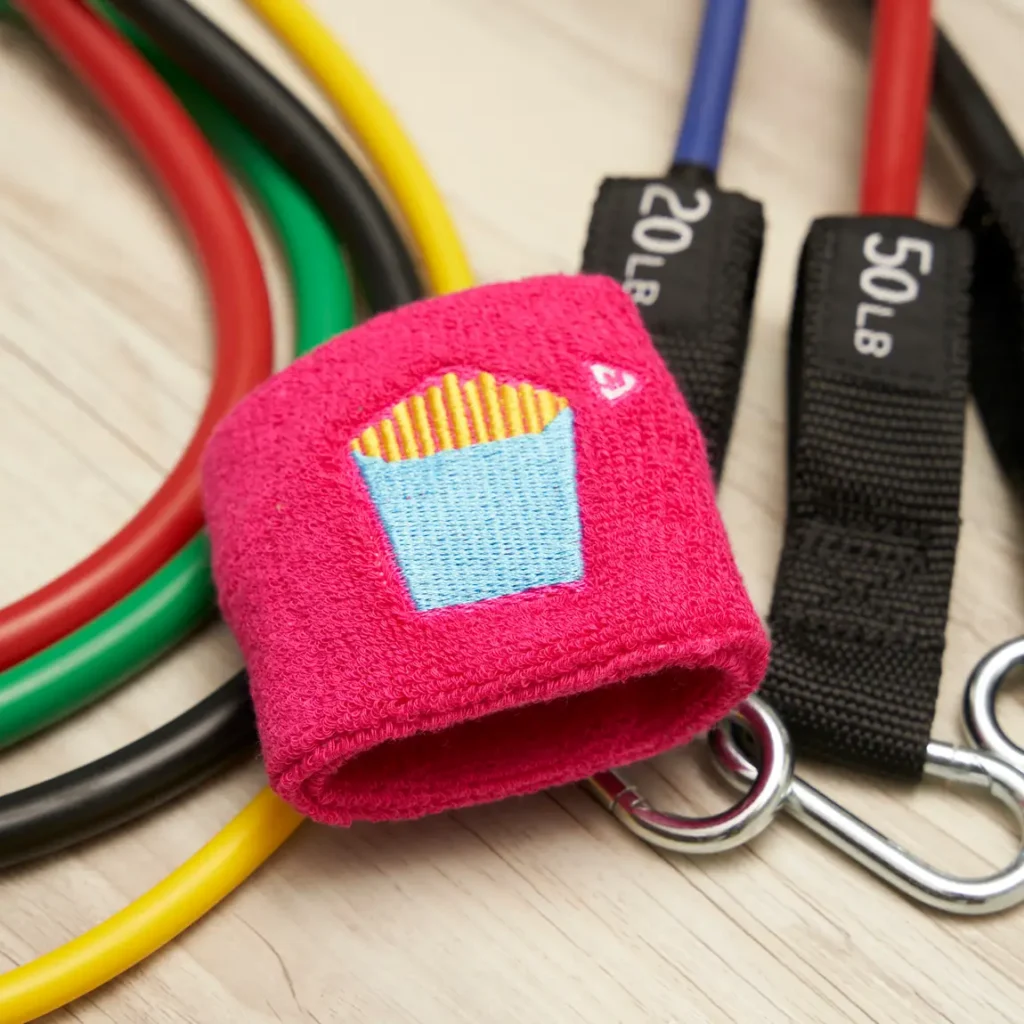
Simple tactics help: showing real photos in use, highlighting comfort, and making the design story clear. Bundles can also lift average order value, such as pairing a sweatband with socks, a water bottle, or a tee for a small discount. See value and ROI of branded merchandise campaigns.
What common mistakes reduce sales of custom sweatbands?
The biggest mistake is treating them like a freebie in design quality. If the material feels cheap or the branding looks unclear, buyers assume the product will not last, and they walk away.
Another mistake is offering too many options without guidance. When buyers must choose colours, fonts, placements, and sizes with no examples, they stall. Clear best sellers, templates, and a simple design path reduce decision fatigue and improve conversion.
What is the simplest way to make them convert more reliably?
They convert more reliably when the offer is specific: who it is for, what it says, and why it matters. A product page that shows the sweatband on a wrist or forehead, explains the material in plain terms, and gives a clean mock-up often beats a page full of technical detail.
Most importantly, the custom text or logo should be readable at a glance. If it cannot be understood in one second, it will not sell as well in the real world.
FAQs (Frequently Asked Questions)
Why are custom sweatbands considered a more ‘buyable’ merchandise option compared to hoodies or jackets?
Custom sweatbands feel like a sensible purchase because they solve a real problem while serving as branded gear. They require less commitment since the price is lower, sizing issues are minimal, and the item feels less risky. This reduces friction at checkout and encourages impulse buys.
How does targeting a niche audience benefit the sales of custom sweatbands?
A niche audience is easier to message and satisfy because buyers usually have a clear purpose—such as training, competing, or supporting a group. This intent makes them warmer buyers, and the product avoids direct competition with generic fashion by focusing on relevance and identity over price.
In what ways do custom sweatbands provide high brand visibility during events and everyday use?
Sweatbands sit on visible parts of the body like wrists or foreheads, especially noticeable during movement at events. They appear in photos, videos, gym mirrors, and social clips, allowing branding to travel effortlessly. Comfortable and attractive sweatbands tend to stay in regular use, delivering repeated brand impressions.
Why do custom sweatbands convert particularly well at events and pop-ups?
They are instantly understandable in busy environments; people can quickly see the design and feel the fabric without needing explanation. Their affordable price point fits common event budgets, making them an easy way for attendees to support causes, represent teams, or take home memorable merchandise.
What role does customisation play in enhancing the appeal of sweatbands?
Customisation transforms a basic accessory into a symbol of belonging by adding names, slogans, team colours, or phrases that make the item feel tailored for a specific group. The limited space encourages clear designs with bold logos or messages that improve recognition and convey intentional branding.
How should sellers position custom sweatbands to maximise conversion rates?
Position sweatbands as the ‘easy entry product’ within a merch range to encourage first-time purchases leading to future sales. Use real-life photos showcasing comfort and design stories. Offering bundles with complementary items like socks or water bottles at small discounts can also increase average order value and boost conversions.