
The goal is not “more stuff in more hands”. The goal is more of the right behaviours: qualified leads, booked meetings, repeat purchases, referrals, reviews, or reactivation.
What does ROI mean for promotional products?
When evaluating Custom Promotional Products, ROI is the value created minus the total cost, divided by the total cost. For promo, “value” is rarely just immediate sales; it is often pipeline influence, retention, or reduced acquisition costs.
A simple way to frame it is: what action should the item trigger, and what is that action worth? If they cannot define the action, ROI is guesswork.
Which promotional products tend to generate the highest ROI?
The highest ROI usually comes from items people keep and use weekly because repeated use creates repeated brand impressions and recall. Practical, durable products beat novelty items in most industries.
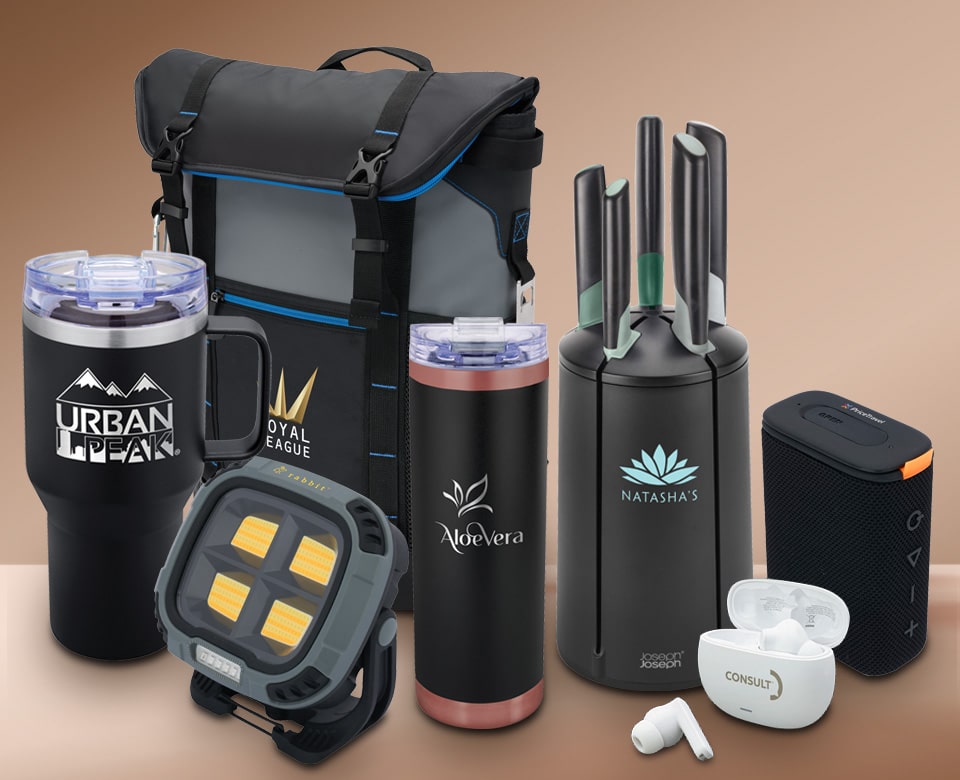
Common high performers include quality drinkware, tote bags, notebooks, laptop accessories, and work-from-home essentials, especially when the branding is subtle and the item fits the audience’s day-to-day life.
Why do “useful” products outperform “fun” giveaways?
Useful products earn attention over time, not just at the moment of distribution. A stress ball might get a smile, but a good bottle, mug, or charger becomes part of a routine.
Routine is where ROI lives. Every use is another reminder, and reminders are what improve top-of-mind recall when they are choosing between similar providers.
When do premium items beat cheap bulk items?
Premium items usually win when the objective is a high-value outcome: enterprise meetings, partner loyalty, customer retention, or key account expansion. If one converted account is worth five figures, a higher per-unit cost can make sense.
Cheap bulk items can work for reach, but only if they are still genuinely useful. If they get binned, the effective cost per impression is infinite.
How should they match products to the audience?
They should start with context: where will the item be used, and what problem does it solve in that setting? A product used at a desk suits SaaS and professional services; something used on-site suits trades and facilities teams.
They should also match role and status. A procurement lead and a junior attendee have different expectations, and mismatches can reduce perceived brand quality.
What campaigns actually make promo measurable?
Promo becomes measurable when it is connected to a trackable next step. That could be a QR code to a dedicated landing page, a unique URL, a referral code, or a gated offer tied to the recipient segment.
It also helps to time it to an event in the buyer journey: post-demo, pre-renewal, webinar attendance, or a reactivation sequence. Random giveaways are hard to attribute because they are not attached to intent.
How can they calculate ROI without perfect attribution?
They can use controlled comparisons. For example, send a targeted item to half a matched list and compare meeting rates, reply rates, demo-to-close rates, or renewal uplift against the holdout group.
They can also calculate break-even. If a campaign costs £2,000 all-in and an average converted customer yields £4,000 gross margin, they only need one incremental conversion to be positive.
What role does branding play in ROI?
Branding affects whether the product gets used. Loud logos can reduce usage in professional environments; subtle branding often increases retention and impressions.
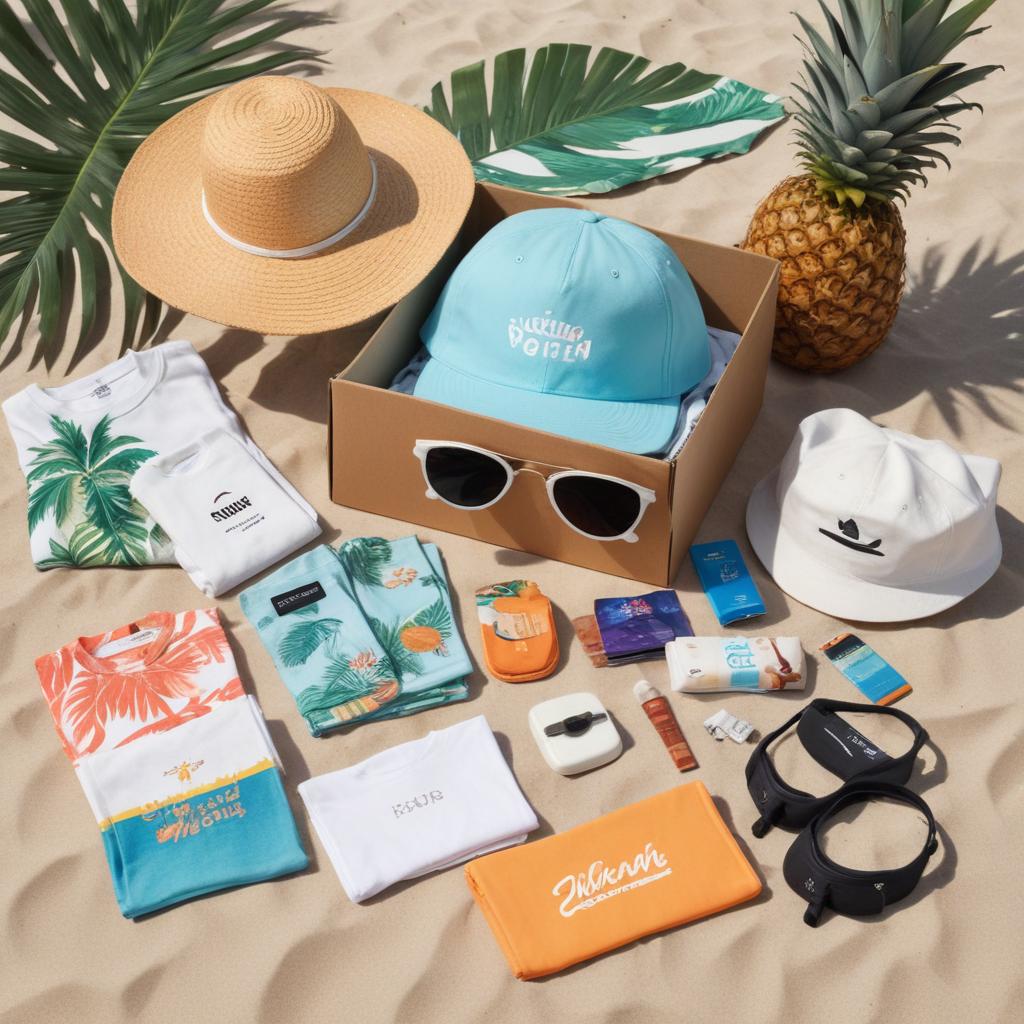
Placement matters too. A small mark on a premium item can signal confidence. Over-branding can signal cheapness, and that can transfer to how they feel about the company behind it. See custom sweatbands marketing effectiveness explained.
Which distribution methods tend to perform best?
Hand-to-hand delivery at a relevant moment often performs best because it creates a personal link and a reason for the gift. Examples include on-site visits, after a successful project milestone, or at small VIP events.
Direct mail can also perform strongly when it is targeted and timed, especially for B2B. Bulk bowl-style giveaways work least unless the product is exceptional and the audience fit is tight.
What are the most common reasons promo fails to deliver ROI?
The biggest failure is choosing items that do not fit the audience’s real life. The second is treating promo as the strategy instead of a tool supporting a strategy.
Other frequent issues are poor quality, unclear calls to action, weak timing, and no tracking plan. If they cannot answer “what happens next?”, the product is just an expense.
How should they choose the right products for their goals?
They should pick the goal first, then the product. For lead generation, they need an item that earns a response, often paired with a clear offer. For retention, they need something that reinforces goodwill and usage.
A practical rule is: the higher the value of the next step, the more thoughtful the product and delivery should be. Promo works best when it feels earned, not sprayed.
What is a simple ROI-focused checklist they can use?
They can use this quick checklist before ordering:
- Who exactly is receiving it, and why them?
- What action should it trigger, and how is it tracked?
- Will they realistically use it weekly for at least three months?
- Is the quality aligned with the brand’s price point?
- Is the branding subtle enough that they will keep it?
- Is there a holdout group or benchmark to compare results?
If they can answer these clearly, promotional products stop being guesswork and start behaving like a measurable channel.
FAQs (Frequently Asked Questions)
What does ROI mean in the context of custom promotional products?
ROI, or Return on Investment, for promotional products is calculated as the value created minus the total cost, divided by the total cost. The ‘value’ often extends beyond immediate sales to include pipeline influence, customer retention, or reduced acquisition costs. Defining a clear, measurable action that the promotional item should trigger is essential to accurately assess ROI.
Which types of promotional products tend to generate the highest ROI?
Promotional products that people keep and use weekly generally yield the highest ROI because repeated use leads to repeated brand impressions and recall. Practical and durable items such as quality drinkware, tote bags, notebooks, laptop accessories, and work-from-home essentials perform well, especially when branding is subtle and aligned with the audience’s daily life.
Why do useful promotional products outperform fun giveaways?
Useful products earn ongoing attention as they become part of the recipient’s routine, providing multiple brand reminders over time. Unlike novelty items like stress balls that may only elicit a momentary smile, practical items such as bottles, mugs, or chargers integrate into daily habits, enhancing top-of-mind recall when customers choose between similar providers.
When are premium promotional items more effective than cheap bulk items?
Premium items are more effective when targeting high-value outcomes such as enterprise meetings, partner loyalty, customer retention, or key account expansion. In cases where one converted account is worth five figures or more, investing in higher-cost items makes sense. Conversely, cheap bulk items may only be suitable for broad reach if they remain genuinely useful; otherwise, their effective cost per impression becomes infinite if discarded.
How can businesses ensure their promotional products match their target audience?
Matching promotional products to the audience starts with understanding the context of use and the problem the item solves. For example, desk-related products suit SaaS and professional services clients, while on-site tools fit trades and facilities teams. Additionally, considering recipient roles and status helps align expectations and maintain perceived brand quality.
What strategies make promotional campaigns measurable and improve ROI tracking?
Promotional campaigns become measurable when tied to a trackable next step such as QR codes leading to dedicated landing pages, unique URLs, referral codes, or gated offers linked to recipient segments. Timing these campaigns around specific buyer journey events—like post-demo follow-ups or pre-renewal periods—enhances attribution accuracy. Employing controlled comparisons with holdout groups further aids in calculating true ROI.