The goal is not “more stuff in more hands”. The goal is more of the right behaviours: qualified leads, booked meetings, repeat purchases, referrals, reviews, or reactivation. What does ROI ...
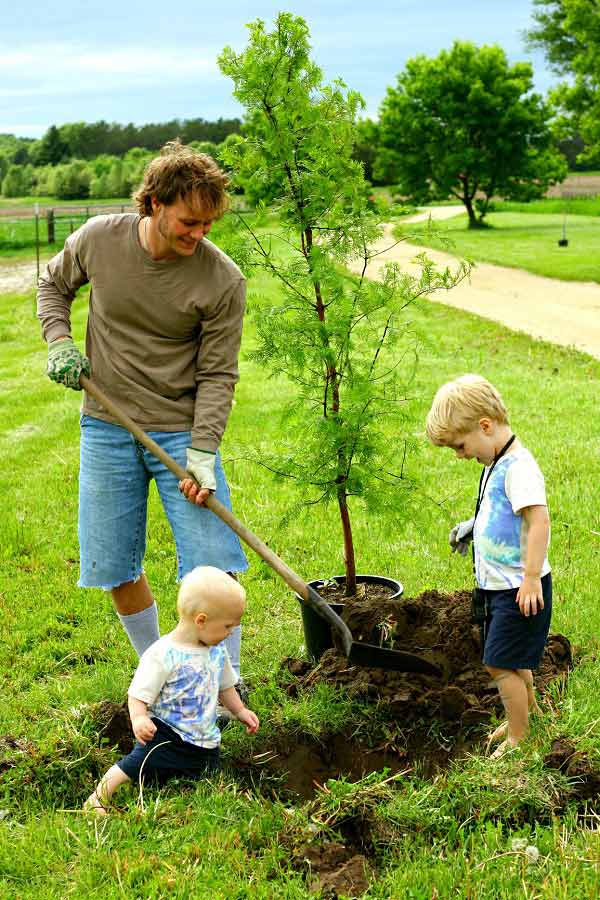
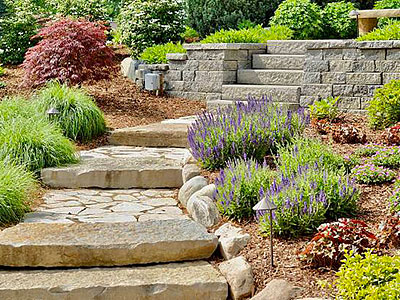
Welcome to “Growing Green: Your Source for Sustainable Gardening Wisdom.” In a world increasingly focused on environmental conservation and sustainable living, gardening has taken on a vital role. Whether you have a sprawling backyard or a small balcony, sustainable gardening allows you to contribute to a greener future while nurturing your own slice of nature. This comprehensive guide will provide you with the knowledge and inspiration you need to embark on your sustainable gardening journey.
Sustainable gardening focuses on using resources efficiently. From water-saving techniques to organic fertilizers, every aspect of your garden can be optimized to reduce waste and conserve precious resources.
Encouraging a diverse range of plants and native species in your garden creates a thriving ecosystem. This, in turn, supports pollinators like bees and butterflies, enhancing overall biodiversity.
Sustainable gardening reduces the need for chemical fertilizers and pesticides, which can harm the environment. By choosing organic alternatives and minimizing transportation of garden supplies, you can lower your carbon footprint.
Gardening is not just about nurturing plants; it’s also about nurturing your well-being. Sustainable gardens provide a sanctuary for relaxation, physical activity, and stress relief.
By adopting sustainable practices in your garden, you become a steward of the Earth, playing a crucial role in conserving resources and fostering biodiversity.
Water Efficiency: Use drip irrigation systems or soaker hoses to water your garden efficiently. Collect rainwater in barrels for irrigation during dry spells.
Native Plants: Choose native plants that are adapted to your region’s climate and require less water and maintenance.
Composting: Start a compost pile to recycle kitchen scraps and yard waste into nutrient-rich soil conditioner.
Organic Practices: Avoid synthetic chemicals and pesticides, opting for organic solutions like neem oil and companion planting.
Mulching: Mulch your garden beds to retain moisture, suppress weeds, and regulate soil temperature.
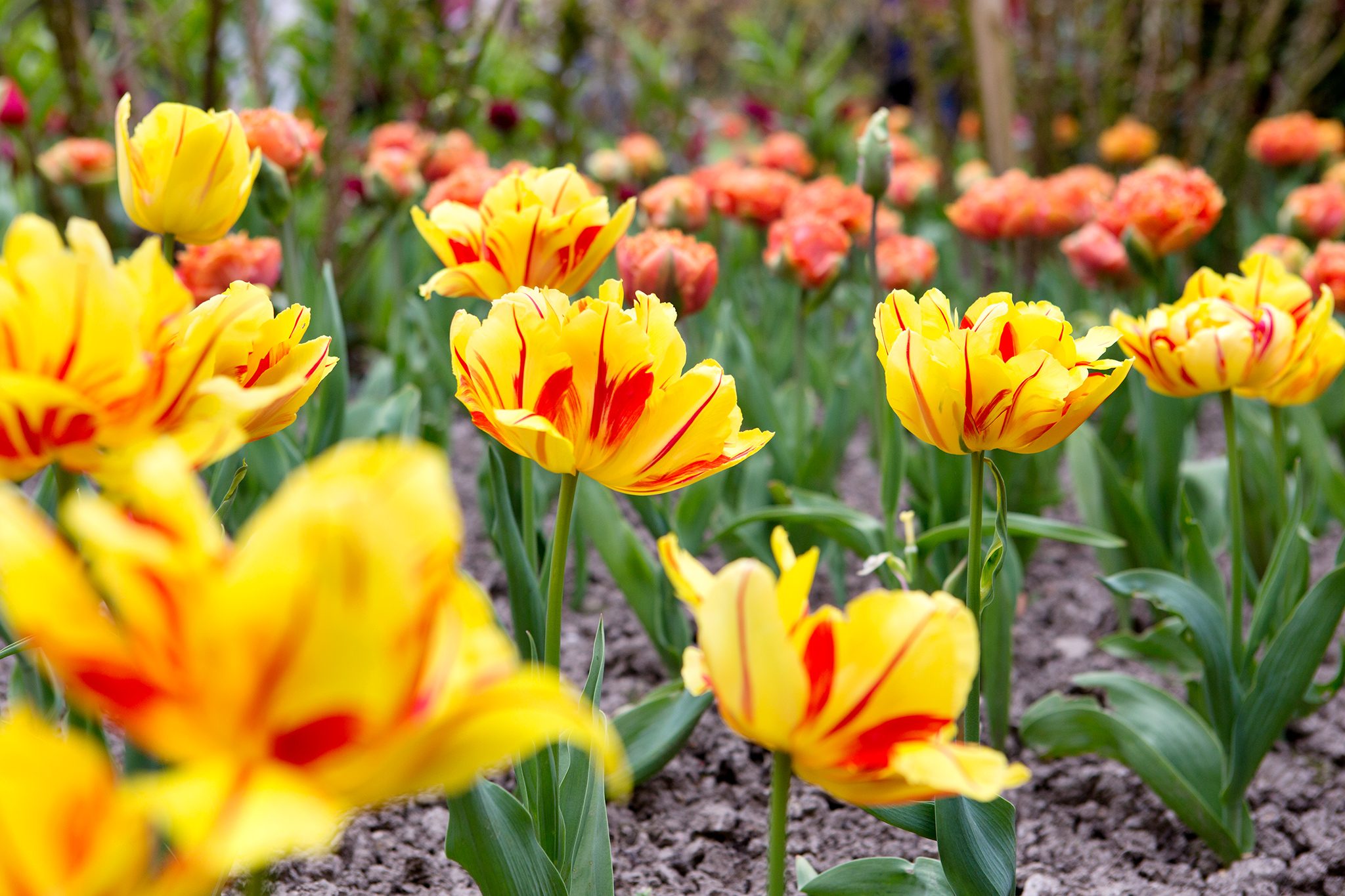
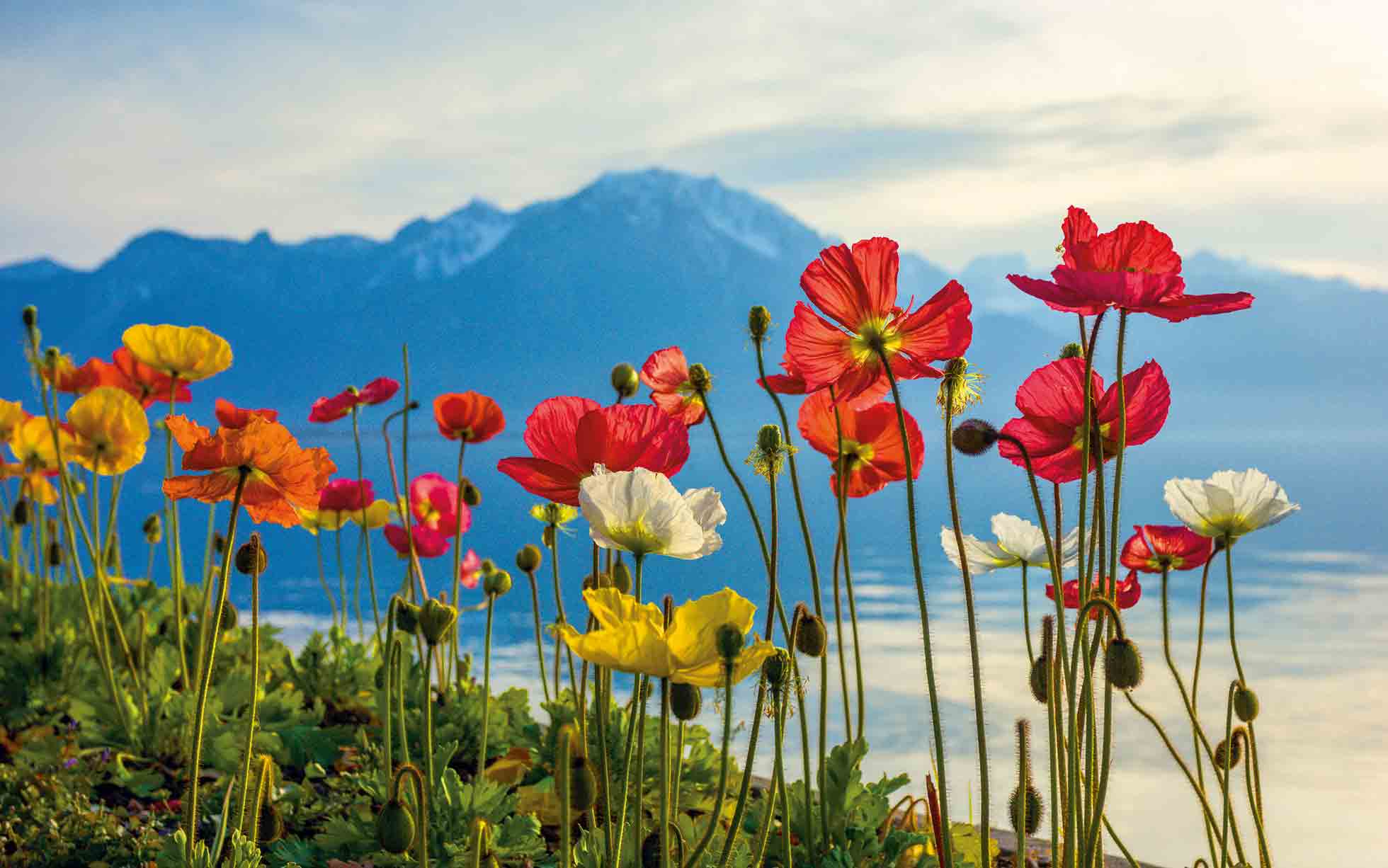
Attract Pollinators: Plant flowers that attract pollinators like bees, butterflies, and hummingbirds to enhance pollination in your garden.
Explore a treasure trove of practical tips and advice of professionals like Lush Flower Co on water conservation, organic gardening, and eco-friendly landscaping.
The goal is not “more stuff in more hands”. The goal is more of the right behaviours: qualified leads, booked meetings, repeat purchases, referrals, reviews, or reactivation. What does ROI ...

They also sit in a sweet spot many buyers like: practical enough to justify, personal enough to feel special. That mix is why sweatbands, when customised well, can sell quickly ...

The most accurate way to budget is to understand the main pricing drivers and then match them to the block’s specific layout and constraints. What does stump size and diameter ...
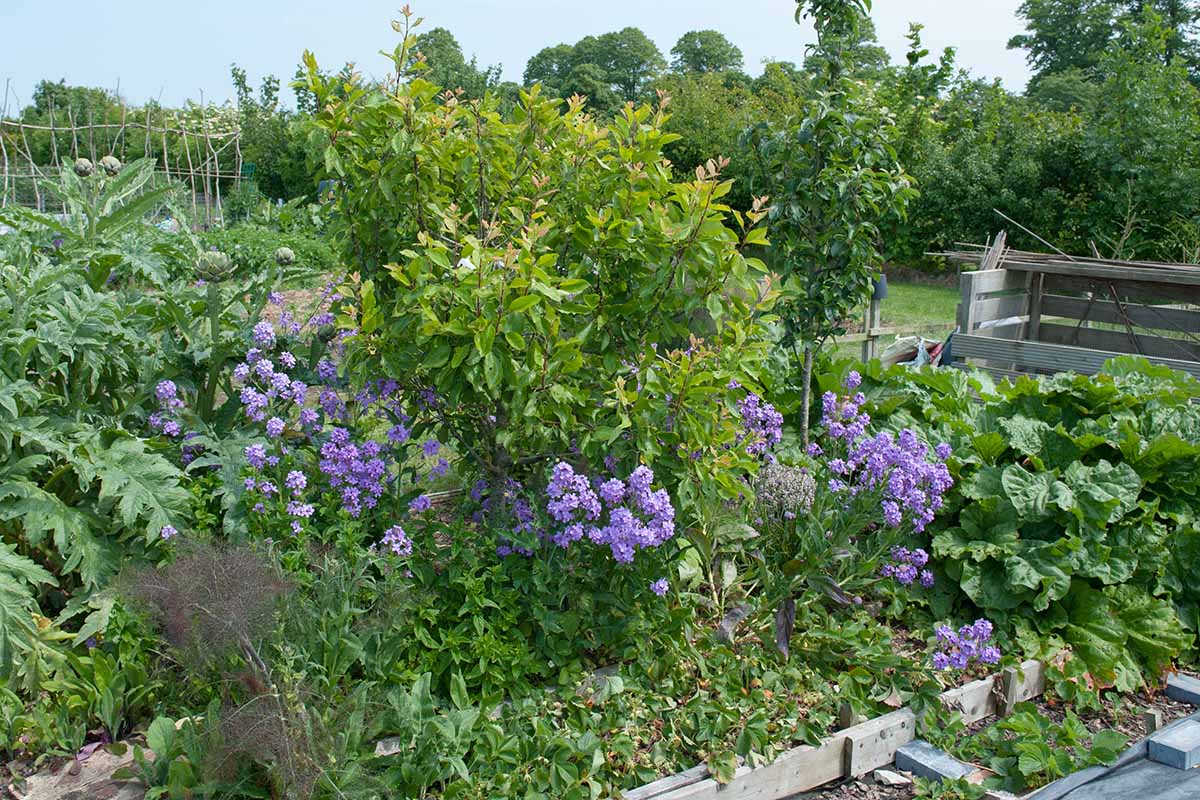
Sustainable gardening is not just an individual endeavor; it’s about building a community of like-minded individuals who share a passion for green living.