
When the right work is done at the right time, trees stay safer, healthier, and far less likely to damage roofs, fences, pools, or underground services.
What counts as “costly tree damage” for Sydney property owners?
Costly tree damage is any avoidable harm that triggers repairs, claims, disputes, or urgent removals. Experienced arborists Sydney property owners rely on often deal with smashed gutters, punctured roofing, cracked retaining walls, blocked drains, damaged sewer lines, and lifted pathways that create trip hazards.
It also includes secondary costs like emergency call-outs after storms, tenant complaints, council compliance issues, and liability if a limb falls onto a neighbour’s property—issues that qualified arborists Sydney professionals help prevent through proactive assessment and maintenance.
Why do trees cause expensive damage even when they look healthy?
Trees can be structurally compromised without obvious canopy decline. Internal decay, poor branch unions, previous topping, termite damage, or root disturbance can weaken a tree while it still looks green.
Sydney’s weather swings can expose those weaknesses fast. Saturated soils reduce root stability, wind loads increase leverage, and heavy canopies act like sails, turning “fine yesterday” into “failed today.”
How do qualified arborists identify hazards that others miss?
Qualified arborists assess trees as living structures, not just vegetation. They look at species traits, past pruning history, soil conditions, canopy weight distribution, defects at branch unions, and root zone limitations.
They also consider targets and consequences. A moderate defect over a garden bed is different from the same defect over a roof, footpath, or power lines, and recommendations change accordingly.
Other Resources : Safety rules for strata common property
What are the early warning signs property owners should not ignore?
They should take action if there is fresh cracking in soil, sudden leaning, heaving around the base, or exposed roots after rain. Dead branches in the upper canopy, mushrooms near the trunk, and cavities or splitting bark are also common red flags.
They should also watch for repeated branch drop, trees rubbing structures, and roots lifting concrete or entering drainage points, especially near older pipes.
How does professional pruning reduce the risk of failures and property damage?
Professional pruning reduces risk by managing weight, leverage, and weak attachments while keeping the tree’s biology in mind. Qualified arborists use targeted cuts to reduce end weight, improve clearance, and remove deadwood without triggering excessive regrowth.
Poor pruning often creates the opposite outcome. Topping and random limb removal can cause decay, unstable epicormic shoots, and a heavier, more failure-prone canopy in later seasons.
When is tree removal the safer and cheaper option?
Removal becomes the safer option when the risk cannot be reduced to an acceptable level, or when the tree’s structure is too compromised to manage with pruning. Severe decay, major root plate instability, and repeated failures are common reasons.
It can also be cheaper long-term when ongoing pruning would be frequent and expensive, or when the tree’s location makes any failure likely to hit high-value targets.
How do arborists help prevent root-related damage to pipes, slabs, and paving?
Arborists reduce root-related damage by diagnosing the actual cause, then recommending root zone management that suits the site. That may include careful root pruning, installing root barriers, improving soil conditions, or adjusting irrigation and drainage that attract roots.
They also help property owners avoid “quick fixes” that backfire. Cutting major roots without assessing stability can increase the chance of whole-tree failure, which is far costlier than repairing a path.
What role do reports and documentation play in avoiding disputes and liabilities?
Arborist reports provide a defensible record of tree condition, risk, and recommended actions. That documentation can help in neighbour disputes, strata decisions, insurance discussions, and contractor handovers.
It also clarifies priority. Instead of guessing what to do first, property owners get a structured plan that links defects to consequences, reducing both indecision and overreaction. You may like to visit https://sustainable-gardening-tips.com/factors-that-influence-the-cost-of-stump-grinding-for-residential-blocks/ to get more factors that influence the cost of stump grinding for residential blocks.
How often should Sydney property owners schedule arborist inspections?
Most properties benefit from an inspection every one to three years, with extra checks after major storms or construction work near trees. High-traffic sites, rental properties, and homes with large trees over structures often need more frequent reviews.
Season matters too. Pre-storm season checks can reduce emergency call-outs, while post-storm inspections can identify cracks, hanging limbs, and root movement before they become failures.
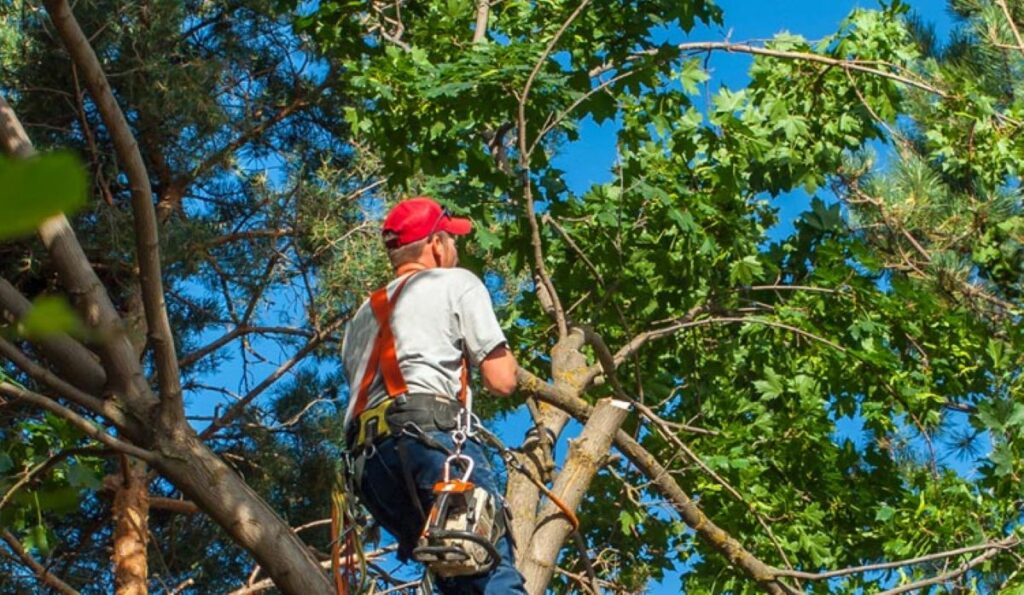
What should they look for when choosing a qualified arborist in Sydney?
They should look for relevant qualifications, evidence of insurance, and clear, written recommendations that explain risks and options. A qualified arborist should communicate trade-offs, not just sell a single service.
They should also avoid operators who propose topping, make guarantees about “storm-proofing,” or recommend major work without explaining defects, targets, and why the proposed pruning style is appropriate.
How can property owners reduce tree damage risk between visits?
They can keep records of past work, note changes after heavy rain or wind, and avoid disturbing the root zone during landscaping. They should also maintain good drainage and keep heavy machinery away from tree bases to prevent soil compaction.
Most importantly, they should treat sudden changes as urgent. A new lean, fresh cracking, or large limb dieback should trigger a professional assessment rather than a wait-and-see approach.
FAQs (Frequently Asked Questions)
What are the early warning signs of tree damage that Sydney property owners should watch for?
Early warning signs include a leaning trunk, lifting pavers, deadwood hanging over driveways, fresh cracking in soil, sudden leaning, heaving around the base, exposed roots after rain, dead branches in the upper canopy, mushrooms near the trunk, cavities or splitting bark, repeated branch drop, trees rubbing structures, and roots lifting concrete or entering drainage points.
Why can healthy-looking trees still cause expensive damage on Sydney properties?
Trees may appear healthy but can be structurally compromised due to internal decay, poor branch unions, previous topping, termite damage, or root disturbance. Sydney’s weather swings like saturated soils and strong winds can expose these weaknesses quickly, increasing the risk of failure and costly damage.
How do qualified arborists assess and manage tree hazards effectively?
Qualified arborists evaluate trees as living structures by examining species traits, past pruning history, soil conditions, canopy weight distribution, defects at branch unions, and root zone limitations. They consider the location and potential consequences of defects to provide tailored recommendations that reduce risks to roofs, fences, pools, underground services, and surrounding areas.
How does professional pruning help reduce tree-related property damage?
Professional pruning manages tree weight, leverage, and weak attachments while respecting tree biology. Arborists use targeted cuts to reduce end weight, improve clearance from structures, and remove deadwood without causing excessive regrowth. Proper pruning decreases failure risks compared to poor practices like topping or random limb removal that can increase decay and instability.
When is tree removal considered a safer and more cost-effective option for Sydney property owners?
Tree removal is advisable when risks can’t be reduced to acceptable levels through pruning due to severe decay, major root instability, or repeated failures. It may also be cheaper long-term if ongoing pruning would be frequent and costly or if the tree’s location poses a high risk of damaging valuable targets like roofs or power lines.
How often should Sydney property owners schedule arborist inspections to maintain tree safety?
Most properties benefit from arborist inspections every one to three years. Additional checks are recommended after major storms or nearby construction work. Properties with high traffic, rental units, or large trees over structures may require more frequent assessments. Scheduling inspections before storm seasons helps prevent emergencies; post-storm checks identify new hazards early.